


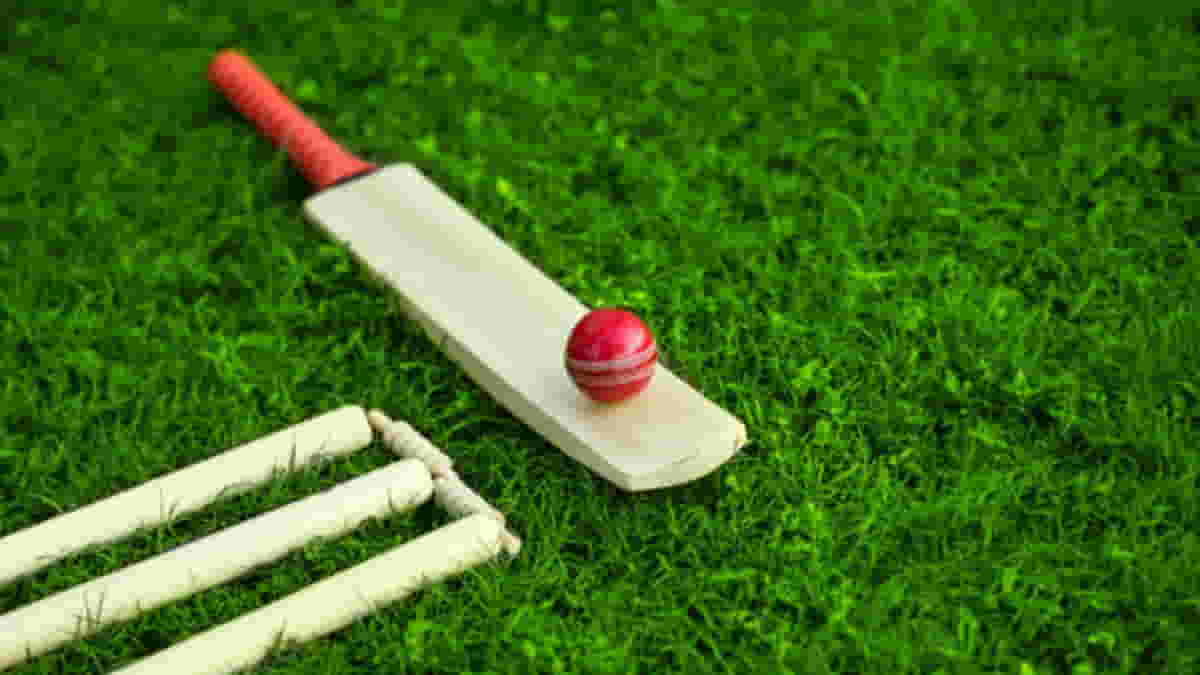
 Photo Source: Adobe Stock
Cricket is a well-liked sport that is performed in many nations all over the world. The cricket bat is one of the most important pieces of equipment that must be used, among others. The International Cricket Council (ICC) has developed certain standards and regulations covering the measurements, weight, and other details of cricket bats in order to maintain fairness and guarantee player safety. The main points of these regulations will be covered in this article, along with information on their importance.
1. Introduction
Regulations for cricket bats are in place to harmonize the game’s gear. These rules are established by the ICC, which oversees international cricket, in order to preserve fair play and protect the sport’s reputation. These guidelines support the players’ performance and safety while also ensuring fairness.

Advertisement
2. Importance of Cricket Bat Regulations
Regulations for cricket bats are essential for preserving the equilibrium between the bat and the ball. They ensure that ability and technique continue to be the deciding variables in a match by preventing any unfair advantage for the batsmen. By limiting the weight, size, and design of cricket bats, these laws also aid in encouraging player safety.
3. Role of International Cricket Council (ICC)
The ICC is in charge of overseeing cricket as an international sport. To preserve uniformity and fairness throughout all international matches, it creates and enforces rules. The ICC’s bat regulations make sure that cricket bats adhere to strict requirements and do not provide batting players an undue edge.
4. Dimensions of a Cricket Bat
4.1 Overall Length
The overall length of a cricket bat must not exceed 38 inches (96.52 cm) according to ICC regulations. The blade, handle, and any additional extensions or attachments are all included in this measurement.
4.2 Blade Length
The hitting section of a cricket bat is referred to as the blade. It has a maximum length of 22.05 inches (56 cm). This measurement is taken from the handle’s highest point to the highest point of the blade.
4.3 Blade Width
The blade’s width should not exceed 4.25 inches (10.8 cm). This measurement is taken at the blade’s widest point.
4.4 Handle Length
The handle must be at least 10.5 inches (26.67 cm) long. This measurement is taken from the top of the handle to the blade’s lowest point.
5. Cricket Bat Weight Restrictions
Another important issue governed by the ICC is cricket bat weight. A cricket bat’s maximum weight is 3 lb 5 oz (1.55 kg). This restriction prevents batsmen from using extremely heavy bats, which could give them an unfair advantage.
6. Willow Wood and Manufacturing Guidelines
Willow wood is typically used to make cricket bats. The ICC requires that only natural, unbleached, and untreated wood be used to make bats. These criteria guarantee that appropriate materials are used to maintain the bat’s integrity and performance.
To ensure uniform quality and performance across different cricket bat models, manufacturers must also follow certain criteria regarding the pressing, shaping, and finishing operations.

Advertisement
7. Sweet Spot and Edge Thickness
The sweet spot of a cricket bat refers to the area on the blade that provides maximum power and control. ICC regulations do not dictate the exact placement of the sweet spot, but manufacturers often design bats to have it positioned around 4.25 to 6 inches (10.8 to 15.24 cm) from the toe.
Edge thickness is another important consideration. The maximum allowed thickness of the edges should not exceed 1.56 inches (4 cm).
8. Grip and Handle Specifications
The grip of a cricket bat plays a vital role in providing control and comfort to the batsman. ICC regulations state that the grip should be non-slippery, securely attached, and cover at least 8 inches (20.32 cm) of the handle.
Additionally, the handle must be cylindrical in shape and not have any attachments or extensions that could alter its performance.
9. Stickers and Logos
Stickers and logos on cricket bats are subject to certain guidelines set by the ICC. These regulations ensure that stickers and logos do not interfere with the visibility of the ball or distract the fielding side. They should also not cover more than 0.5 square inches (3.22 square cm) of the blade.
10. Cricket Bat Testing and Certification
Cricket bat manufacturers must comply with the ICC’s testing and certification process to ensure that their bats meet the required standards. These tests include assessments of dimensions, weight, performance, and safety aspects. Bats that pass these tests receive the necessary certification to be used in international matches.
11. Impact on Players and the Game
The regulations surrounding cricket bat dimensions, weight, and other specifications have a significant impact on players and the overall game. By standardizing the equipment, these rules ensure a level playing field, allowing players to showcase their skills without any unfair advantage.
Moreover, the regulations contribute to player safety. By controlling the weight and construction of cricket bats, the risk of injuries caused by excessively heavy or poorly made bats is minimized.
12. Evolution of Cricket Bat Regulations
Cricket bat regulations have evolved over time to keep up with changing trends and technologies. The ICC regularly reviews and updates these regulations to address any emerging issues and maintain the integrity of the game. Continuous research and feedback from players and manufacturers help in refining and improving the existing regulations.
13. Future Possibilities and Considerations
As the sport of cricket continues to evolve, cricket bat regulations may undergo further changes. Possible future considerations could include advancements in bat technology, the introduction of new materials, or the need to balance the game further.
It is essential for the ICC to strike a balance between innovation and maintaining the integrity and fairness of the sport when making any future amendments to the regulations.
The sweet spot of a cricket bat refers to the area on the blade that provides maximum power and control. ICC regulations do not dictate the exact placement of the sweet spot, but manufacturers often design bats to have it positioned around 4.25 to 6 inches (10.8 to 15.24 cm) from the toe.
Edge thickness is another important consideration. The maximum allowed thickness of the edges should not exceed 1.56 inches (4 cm).
Also Read: Pondicherry T10 2023: Complete Squads, Schedule, and Preview (cricfiles.com)

Advertisement